First Stand-Up Pouch Order Mistakes and How to Avoid Them
Most first orders of custom stand up pouches go wrong in five places: a pouch that does not fit the fill, a film that does not suit the product, a missing zipper or valve, artwork that ignores seals and gussets, and a proof approved in a hurry. Custom Stand-Up Pouches helps you catch each one before production, starting with a free mockup within 24 hours.
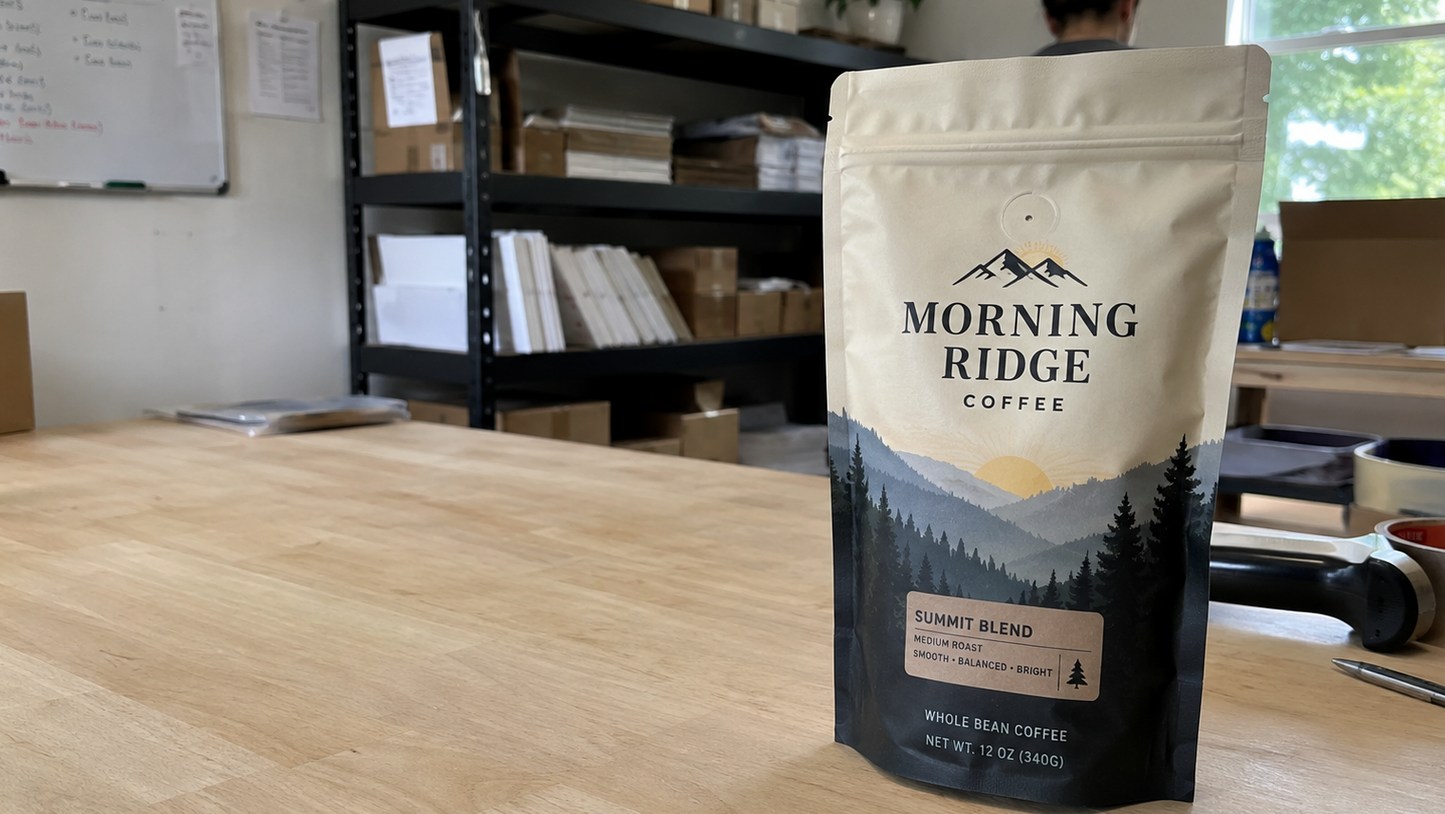
- Minimum order is 12 stand up pouches
- Free mockup within 24 hours, with unlimited free revisions
- Standard turnaround is about 2 weeks after proof approval
- Pay nothing until you approve the design
- Tell the team what goes inside so film and features match the product
What are the most common mistakes on a first stand up pouch order?
The most common mistakes on a first order of stand up pouches are choosing a size by looks instead of by fill, picking a film for its finish instead of its barrier, forgetting a feature such as a zipper, tear notch or degassing valve, designing artwork as if the pouch were a flat label, and approving the proof before anyone else has read it. Each one is easy to fix on screen and expensive to fix after a printed run arrives.
None of these mistakes come from carelessness. A brand ordering its first printed pouch is usually juggling a recipe, a co-packer, a retail buyer and a launch date at the same time, and packaging questions get answered quickly so the project can move. The fix is to slow down for one short checklist before you approve the mockup from Custom Stand-Up Pouches.
| Mistake | What happens | How to avoid it |
|---|---|---|
| Size chosen by eye | Pouch slumps, looks half empty or will not seal | Fill a real sample to the zipper line before you choose |
| Film chosen for finish only | Product goes stale, oils show through, coffee bags puff up | Describe the product and match the barrier first, then the finish |
| Missing feature | No reseal, no hang hole for pegs, no valve for fresh roast | List every feature on the quote request |
| Flat-label artwork | Text lands in seals, logo bends into the gusset | Design on the dieline and check the mockup panel by panel |
| Rushed proof | Typos, wrong flavor names, missing required label copy | Have a second reader check every panel before approval |
How do I know my stand up pouch is the right size for my product?
A stand up pouch is the right size when your actual product, filled by your actual method, sits comfortably below the zipper with enough headspace to seal and the bottom gusset opens flat so the pouch stands on its own. Measuring the product in a measuring cup or guessing from a competitor’s bag is the mistake that causes most sizing problems.
Density changes everything. A light, bulky product such as puffed snacks or freeze-dried pet treats fills a pouch long before it reaches a target weight, while a dense product such as coffee beans, sugar or powdered supplements leaves a lot of empty film above the fill. A pouch that is too large looks underfilled on the shelf and can tip over. A pouch that is too small crowds the zipper and makes sealing unreliable.
- Fill a plain pouch of the size you are considering with real product, not a substitute.
- Check that the gusset opens and the pouch stands without leaning.
- Leave room above the fill for the zipper and the heat seal.
- Ask Custom Stand-Up Pouches to compare neighboring sizes on the mockup before you commit.
For a deeper walkthrough, the sizing guide on fill weight in the blog covers how to match a pouch to a product line.
Why does the film choice matter more than the finish?
Film choice matters more than finish because the film decides whether the product stays fresh, while the finish only decides how the pouch looks. A beautiful matte kraft pouch that lets oxygen or moisture in will disappoint customers faster than a plain gloss pouch with the right barrier.
First-time buyers often pick a pouch from a photo, then discover the structure does not suit the contents. Oily foods such as jerky, granola or nut butters can mark uncoated paper. Ground coffee and whole beans release gas after roasting and need a one-way degassing valve. Products sold over a long shelf life usually need a higher barrier film, and a compostable eco pouch may suit a fast-moving product better than one that sits in a warehouse for months.
The simplest way to avoid this mistake is to tell Custom Stand-Up Pouches exactly what goes inside, how it is filled, where it is sold and how long it needs to last. The team can then suggest a structure such as a matte kraft pouch, a coffee pouch with degassing valve or a compostable eco pouch, and only then pick the finish that fits your brand.
Which pouch features do first-time buyers forget to add?
The features first-time buyers forget most often are the resealable zipper, the tear notch, the hang hole for retail pegs, the clear window and, for coffee roasters, the degassing valve. Each feature is built into the pouch during production, so adding one after the run is printed is not possible.
Think about how a customer opens, uses and stores the product. A snack eaten over several days needs a zipper and a tear notch above it. A product sold on peg hooks in a gift shop or convenience store needs a hang hole. A product that sells on its look, such as colorful candy, granola or dog biscuits, often benefits from a clear-window snack pouch. Products that need extra safety or pouring control may call for a child-resistant pouch or a spouted liquid pouch.
- Write down how the customer opens the pouch the first time.
- Write down how the customer closes it between uses.
- Write down where the pouch is displayed: shelf, peg, counter or mailer.
- Add every feature those answers require to your quote request.
What artwork mistakes show up on a printed stand up pouch?
The artwork mistakes that show up most on a printed stand up pouch are text placed inside seal areas, logos that bend into the bottom gusset, small type that fills in on kraft paper, and colors that look different on film than on a screen. These problems happen when a pouch is designed like a flat sticker instead of a three-dimensional package.
A pouch has side and top seals, a zipper track, a tear notch and a gusset that folds under. Anything placed across those areas can be cut, crushed or hidden. Kraft paper and clear film also change how colors print, which is why a white ink layer behind key artwork is often recommended on those materials.
- Keep important copy well inside the dieline’s safe area.
- Do not let a logo or barcode cross a fold or seal.
- Use bolder type on matte kraft and textured finishes.
- Check every variety in the mockup, not only the hero flavor.
Custom Stand-Up Pouches checks artwork against the dieline as part of the free mockup, and revisions are unlimited and free, so there is no reason to approve a layout that still worries you. The earlier blog guide on dielines and panels goes into setup step by step.
Is it a mistake to approve the pouch proof quickly?
Approving a stand up pouch proof quickly is one of the costliest mistakes on a first order, because everything on the approved proof is printed exactly as shown. Once production starts on the approved design, a typo, an outdated ingredient list or a misspelled flavor name becomes part of every pouch in the run.
Build a short review into your schedule. With a free mockup within 24 hours and a standard turnaround of about 2 weeks after approval, a day spent reading the proof rarely threatens a launch, while a reprint always does. Because you pay nothing until you approve the design, there is no cost to taking that day.
- Read every panel aloud, including the back, the gusset and any small print.
- Ask someone who did not design the pouch to check names, claims and contact details.
- Confirm required label copy with whoever owns it: your co-packer, a regulatory advisor or your retail buyer.
- Check that each flavor or variety is on the correct pouch.
- Approve only when every reviewer has signed off.
How should I order quantities and varieties on a first run?
A first run of stand up pouches should be ordered to match a realistic sell-through, not the largest batch you can imagine. The minimum order at Custom Stand-Up Pouches is 12, which lets you test a new flavor, a new market or a new pouch structure before committing to a large quantity.
Two quantity mistakes are common. The first is ordering far more pouches for a new product than you can fill before a recipe, claim or design changes, which leaves unusable stock. The second is ordering too few of a proven product and paying in time with repeated small reorders right before a busy season. Think in stages: a smaller launch quantity, then a larger reorder once the design and the demand are proven.
Plan varieties together. Brands with several flavors often order one design first and add the others later, only to find colors and layouts drift between batches. Building a shared layout for the whole line, with a color or band that changes by flavor, keeps the shelf consistent. If you are building gift sets, the holiday gift pouch page shows how seasonal versions can sit beside your core line.
What should I check when the stand up pouches arrive?
When your stand up pouches arrive, check them before your filling day, not during it. Open a case, compare a few pouches against the approved proof, test a zipper and seal a sample on your own heat sealer or at your co-packer so any question surfaces while there is still time to solve it.
Store unfilled pouches flat, dry and out of direct sunlight, and keep them in their cases until you need them. Pouches stored loose in a warm production area can pick up dust or scuffs that make sealing less reliable. If anything looks off-spec, contact Custom Stand-Up Pouches right away with photos and the order details so the team can review it.
The how it works page explains each step from quote to delivery, and the quote form is the fastest way to start. Share your product, fill method, features and launch date, and you will have a free mockup within 24 hours.
Frequently asked questions
Why do some stand up pouches tip over after they are filled?
Stand up pouches usually tip over when the bottom gusset does not open fully or the pouch is too large for a dense product, so the weight sits high and off center. Fill a real sample, press the gusset open before sealing and compare neighboring sizes on the mockup from Custom Stand-Up Pouches to find a size that stands steadily.
What happens if I fill a stand up pouch above the zipper line?
A stand up pouch filled above the zipper line is hard to close and often seals poorly, because product crumbs sit in the zipper track and the heat seal area. Customers may also struggle to reseal the bag at home. Leave clear headspace above the fill and choose a slightly larger pouch if your product needs it.
Will my existing heat sealer work with printed stand up pouches?
Printed stand up pouches work with most impulse and band heat sealers, but each film structure seals best at its own temperature and dwell time. Test a few pouches from your order on your sealer or at your co-packer before filling day, and tell Custom Stand-Up Pouches which equipment you use so the film suits it.
Can greasy foods show through a kraft paper stand up pouch?
A kraft paper stand up pouch can show grease marks if the inner layers do not block oils from products such as jerky, granola, cookies or nut butters. Describe oily contents when you request a quote so Custom Stand-Up Pouches can recommend a lined structure that keeps the kraft look clean on the shelf.
Do powdered products cause problems with stand up pouch zippers?
Powdered products such as protein, matcha or drink mixes can collect in stand up pouch zippers and stop them from closing smoothly. A wider opening, a scoop-friendly size and filling with care to keep the track clean all help. Mention powdered contents early so the pouch style and zipper suit how customers scoop and reseal.
Is a compostable stand up pouch a poor choice for products with a long shelf life?
A compostable stand up pouch can be a weaker fit for products that sit in storage for a long time, because plant-based films generally offer a different barrier than conventional laminates. Fast-moving goods are a natural fit. Share your expected shelf life with Custom Stand-Up Pouches so the recommended film matches how long the product must stay fresh.
What is the most common artwork error on a first stand up pouch order?
The most common artwork error on a first stand up pouch order is placing text or a logo across a seal, fold or zipper track, where it gets cut or hidden. Designing on the supplied dieline and checking every panel of the free mockup, including the gusset and back, prevents most of these problems before printing.
Why should I tell my pouch supplier exactly what goes inside?
Stand up pouches are built around their contents, so the product decides the film, the barrier, the features and sometimes the size. Coffee needs a valve, oily snacks need a grease-resistant lining and powders need an easy-scoop opening. Telling Custom Stand-Up Pouches the product, fill method and sales channel up front avoids choosing a pouch that looks right but performs poorly.
Can I add a hang hole to stand up pouches after the order is printed?
Stand up pouches get their hang hole punched during production, so adding one cleanly after printing is not practical and can tear the film or weaken the seal. If any retailer might display your product on peg hooks, add the hang hole to the quote request and check its position against your artwork on the mockup.
What should I do with leftover stand up pouches from a discontinued flavor?
Leftover stand up pouches from a discontinued flavor can often be used for samples, staff packs or a limited return of the flavor, as long as the label copy is still accurate. To avoid this next time, order new flavors in smaller launch quantities, starting from the minimum of 12, and scale up once sales prove demand.
How can I keep a stand up pouch from looking half empty on the shelf?
A stand up pouch looks half empty when the pouch is oversized for the fill or the product settles during shipping. Test-fill with real product, let it settle, then pick the size that keeps the front panel looking full. A clear window placed where the product sits, rather than near the top, also helps the pouch look generous.
Who should review my stand up pouch proof besides me?
A stand up pouch proof should be read by at least one person who did not design it, plus whoever owns your label requirements, such as a co-packer, food safety advisor or retail buyer. Custom Stand-Up Pouches offers unlimited free revisions, so gather every reviewer's notes before approving rather than correcting a printed run.
Get a free mockup for your stand up pouches
Send your logo or idea and the quantity you have in mind. Custom Stand-Up Pouches returns a free mockup within 24 hours, you approve the design before anything is produced, and standard turnaround is about two weeks with faster options available. Get a custom quote.
Win Free Stuff
Enter below for a chance to win plus receive 10% off your first order.
🎉 You are in!
We will text you your 10% off code. Good luck!